



johndoe@gmail.com

“Florals? For spring? Groundbreaking.”- Miranda Priestly, The Devil Wears Prada (2006)
Although Miranda Priestly, ruthless editor-in-chief of Runway magazine, may have been making a sarcastic remark about the predictability of seasonal fashion trends, she may have also been spot on. Florals have proven themselves to be a timeless and tireless source of inspiration for the world of fashion. From the wreaths of ancient Greece to floral embroidery at the Met Gala, the motif of the flower endures and continues to be re-invented in new and refreshing ways.
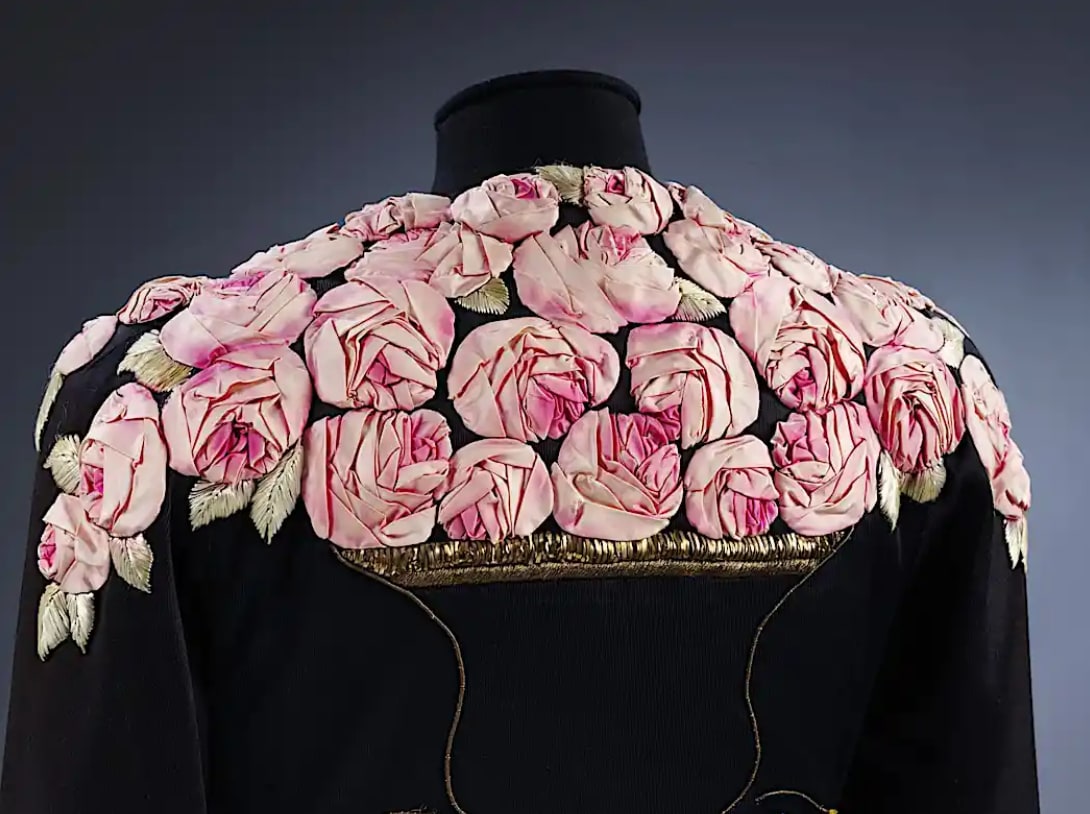
The timeless nature of the flower is demonstrated in the exhibition currently running at the V&A in London, Schiaparelli: Fashion Becomes Art, which offers a dazzling tour of the fashion house’s innovative designs, spanning the 1920s to today. Scattered amongst the strange and playful pieces are florals, used in unexpected (even groundbreaking) ways to subvert the classic "spring flower print" cliché.
This featured content will entwine the ways in which florals and fashion intersect, from historical roots to appearances on the runway and prevalence in the fragrance world.
Coming up Roses: Floral Motifs and Symbolism in Fashion
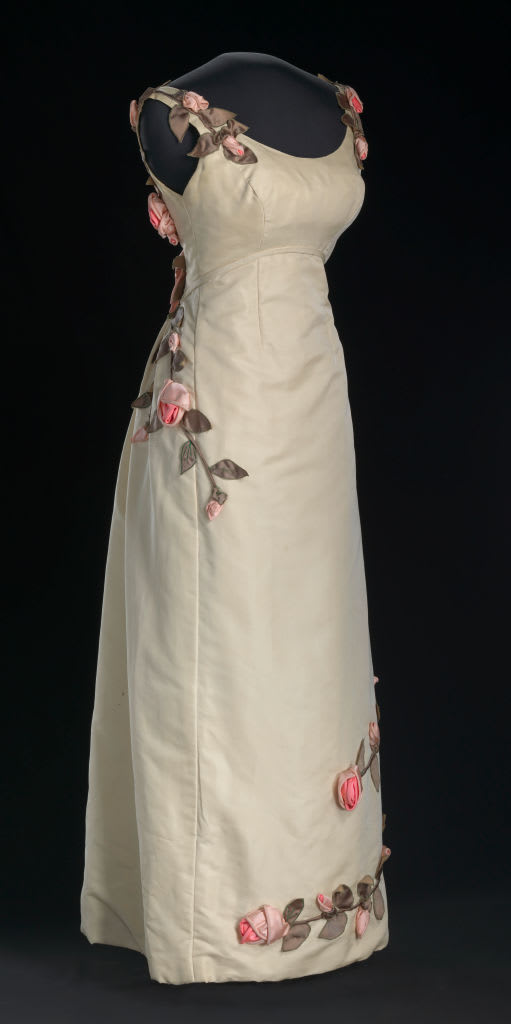
Floral motifs are among the most universal decorative elements in dress, appearing in societies across the globe. However they are also more than just decorative ornaments; the flower is a unifying and versatile stylistic device which is connected in highly specific ways to different systems of social organization, personal adornment, and religious practice.
In the Berg Encyclopedia of World Dress and Fashion, Peter McNeil explores how the symbol of the flower has communicated cultural values, social status, religious beliefs, gender identities, and connections, across various cultural contexts, from the ancient world to the 20th century.
The versatility of the floral motif is demonstrated by its use symbolically as an expression of sexuality. In the words of Havelock Ellis, “There is nothing so vitally intimate to himself that man has not seen it, and rightly seen it, symbolically embodied in flowers” (Impressions and Comments, 1914). Blooms can, on the one hand, be associated with nature, purity, and religion, and on the other, artifice, sensuality, and sexuality. In The Floral Closet Dominic Janes Janes looks at how flowers became an important coded symbol within queer male culture in the late nineteenth and early twentieth centuries. He argues that floral imagery provided a socially acceptable way for homosexual men to express identity, desire, and aesthetic sensibilities at a time when homosexuality was criminalized and heavily stigmatized.
In Chinese culture, floral images often indicate the harmonious existence between humans and nature and can be used to represent wishes of abundance and success. In The Aesthetics and Meanings of the Embroidered Imagery, Alexandra B. Bonds examines how embroidery in Beijing Opera (Jingju) costumes functions as a sophisticated visual language that communicates information about a character's identity, social status, personality, morality, and role in the drama.
In Bloom: Floral Influences on the Runway
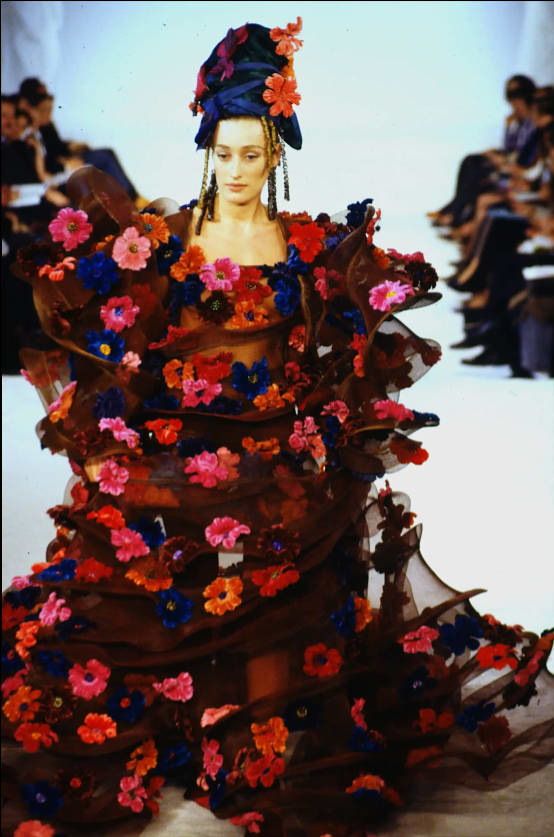
For Schiaparelli, fashion wasn’t purely decorative; it was meant to surprise, unsettle, and entertain. Her designs incorporate flowers, not just as symbols of beauty, but as bold visual statements treated as imaginative, sometimes humorous, artistic objects. This is in contrast to how florals have historically been used to communicate heritage, femininity, romance and luxury in haute couture, themes which regularly played out on the runway and were diffused throughout functional wear.
This chapter by Waleria Dorogova analyzes a Fall/Winter 1990–1991 haute couture ensemble by Gérard Pipart for Nina Ricci. Pipart, who served as chief designer at Nina Ricci for more than three decades, was known for preserving the brand’s reputation for elegance and refined femininity while adapting to contemporary trends.
In Florals, Tessa Maffucci traces the history, symbolism, and enduring popularity of floral motifs on fashion runways, their influence spanning from the early modern period in Venice to the bohemian symbol of liberation of the 60s counterculture movement. As she puts it: “Floral designs are ubiquitous in fashion. They appear reliably with each new season, spring or fall, as designers attempt to find new ways to iterate this now traditional motif” (abstract from Florals, Tessa Maffucci, Bloomsbury Fashion Photography Archive).
Floral Fragrances: The Scent of Style
While the focus is typically on floral print or embroidery, the influence of the botanical on fashion extends beyond this to scent. It is no secret that flowers are one of the most important ingredients in fragrance. Perfumes are commonly created around floral notes such as rose, jasmine, lily, violet, iris, and orange blossom, valued not only for their scent but also for the emotions and associations they evoke.
Shari Sims’ chapter in Fragrance as Fashion: So Much More Than Perfume delves into the multisensory element of florals to illustrate how fragrance functions as self-expression and the meaning brands create through different floral notes.
Scent has historically been a key part of how clothing is experienced and valued with perfumed textiles linking to luxury, hygiene and sensory culture. For example, fragrances were once considered to be the souls of objects and therefore sacred. In Perfumed Dress and Textiles, Katia Johansen outlines the historical practice of scenting clothing, fabrics, and accessories with perfumes, aromatic plants, and fragrant substances.
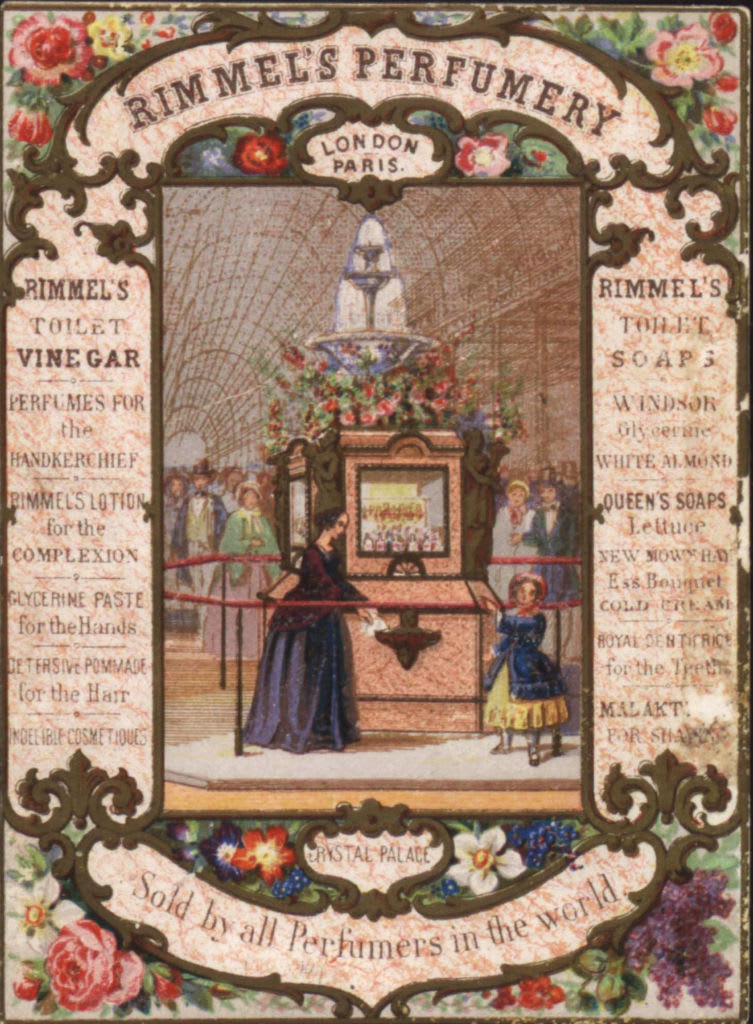
The chapter Professionalizing Perfumery: Eugène Rimmel traces how the perfume industry evolved into a modern, commercialized, and respected profession during the nineteenth century and examines the role of French-born British perfumer Eugène Rimmel in this transformation.
In this chapter from Encyclopedia of Hair: A Cultural History Victoria Sherrow places fragrance within broader beauty practices (including hair care and grooming), emphasizing that smell, for example soap created from lavender and rosemary, has always been closely tied to how people present themselves socially and culturally.
Find out about free trials and purchasing. Interested in hearing more from Bloomsbury Fashion Central? Sign up for our newsletter.
