



johndoe@gmail.com

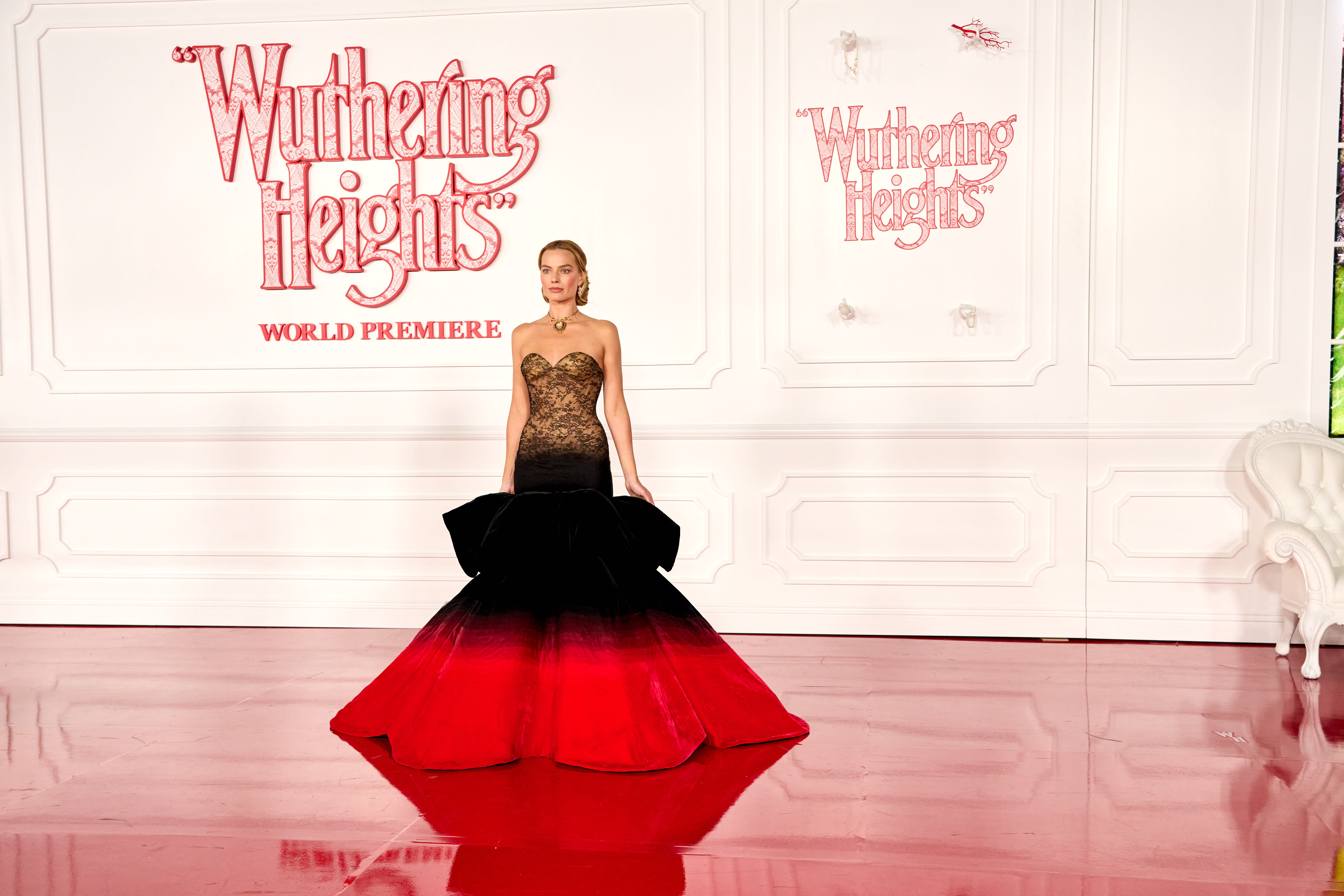
With Oscars season upon us, let’s delve into the artistic alliance of fashion and film. Fashion, film, costume and design co-mingle to form the complex mise-en-scène of contemporary consumer and visual culture. Look no further than Margot Robbie walking the red carpet at the ‘Wuthering Heights’ premiere in Elizabeth Taylor’s famous Taj Mahal necklace, to witness both the awe and stir this relationship causes.
Fashion and film work in unison to create aspirational and glamourous images of selfhood, helping to spur and direct the consumer market. Film techniques can be utilized to make fashion a little less “Florals? For Spring? Groundbreaking” (The Devil Wears Prada, 2006) and a little more “art [cinema] is a mirror by which we often see ourselves” (Alejandro Gonzalez Inarritu, Variety, 2016). In turn, fashion and costume are essential to building the visual character of cinematic worlds and can create meaningful layers of narrative within film promotion.
Fashion and Costume on Screen

Bloomsbury Dress and Costume Library is proud home to The Bloomsbury Encyclopedia of Film and Television of Costume Design. Current articles on our Dress and Costume Library delve deep into the history of costume, from early cinema to the present day, and provide entries on key costume designers from across the globe such as Neeta Lulla, a powerhouse of Bollywood costume design. It even provides a close up on the history of the Study of Film Costume, which didn’t become a subject of academic study until the mid-1970s.
Arguing for the interconnectivity of the fields of fashion, film and design, Jess Berry, in her book Cinematic Style, takes a psychoanalytic approach to costume, proposing that there is a "mutually reinforcing dialogue between fashion, spatial design and film, which privileges narratives of transformation as the answer to self-fulfillment...” She zooms in on the close relation between the act of window shopping and watching the screen, both allowing one to feel immersed in a glamorized self-reflection.
While some scholarship strives to mark a division between fashion design and costume design, so often these lines blur. Cecil Beaton, known for bringing high art to fashion on the pages of Vogue, has designed some of the most iconic costumes, such as The Ascot Dress in My Fair Lady (1964), a sketch of which can be viewed here. Thea Macdonald cites frequent and mutually beneficial Film and Designer collaborations, such as Jean Paul Gaultier’s work on Kika (1993) and The Fifth Element (1997). Jonathan Anderson is the latest fashion designer to firmly entrench himself in film world, handling the costume design for Challengers (2024) and Queer (2024).
Numerous costume gems can be found in the FIT image collection, including the sandal designed by David Evins for Elizabeth Taylor in Cleopatra (1963), which at the time was the most expensive film ever made.
Film Stars as Fashion Icons

Film stars are leveraged to perpetuate fashion inspiration, while simultaneously, fashion and style are key tools for disseminating star persona. Gabrielle Finnane explores how Audrey Hepburn’s gamine, waif look was tweaked but present in all her films, her short hair coming to represent the modern urban woman with a vagabond ethos. Diane Keaton’s androgenous Annie Hall look, characterized by oversized garments, men's shirts and ties, and mismatched assembling, still holds enormous currency today, and can be found in The Fairchild Books’ Dictionary of Fashion.
Pamela Church Gibson, a seminal academic of celebrity studies, details how increasingly the off-screen fashion of film stars is a key site for star persona formation and dissemination. With images from the screen blending seamlessly into magazine campaigns and advertisements, for many designers the red carpet is now more important than the runway. This can be explored further in this business case, which examines why Giorgio Armani has been particularly adept at using the red carpet for successful fashion product placement.
Film on the Runway

Numerous fashion collections have been inspired by innovative costume design and diegetic film worlds. Tiziana Ferrero-Regis explores Dolce & Gabbana’s intimate-private look in their Spring/Summer 1991 collection. The models don thick black stockings, a symbol of modesty and prudish decorum, along with corsets, crop tops, black jersey bodysuits, and off-the- shoulder minidresses as a counterpoint. Reflected are images of Italian films in which the woman undresses in her private space, notably Anna Magnani in Bellissima (1951); Sophia Loren in black corsetry in A Special Day (1977); and Monica Vitti in Kill Me Quick, I’m Cold, (1967). The camera’s gaze is oblique and intrusive, destabilizing the viewer.
Alexander McQueen situated many of his immersive runways in the world of film, noting cinema’s ability to create “an incredible atmosphere of emotion” (The New York Times: 2000). You can watch in full his Spring/Summer 1996 show inspired by The Hunger (1983) and his Spring/Summer 1995 show inspired by Alfred Hitchcock’s The Birds (1963) in our Fashion Video Archive. Jon Cope and Dennis Maloney discuss the rising prevalence of the Fashion Film, which at one point was thought capable of usurping the runway altogether. Fashion films offer designers an opportunity to put their collections into action, imbue them with narrative and sometimes inject the cultural weight of a prolific film director or cinematographer.
A film star on the front row immediately heightens the publicity of a runway show, and was a visibility tactic utilized long before social media. The Bloomsbury Fashion Photography Archive contains many images of film stars placed in the audience, including Meg Ryan to Sophia Loren, but others have also walked the runway such as Sharon Stone and William Defoe, in the ultimate visual culmination of the unified industries.
Enjoy countless examples of this sensational cinematic/couture symbiosis on Bloomsbury Fashion Central.
Find out about free trials and purchasing. Interested in hearing more from Bloomsbury Fashion Central? Sign up for our newsletter.
