



johndoe@gmail.com

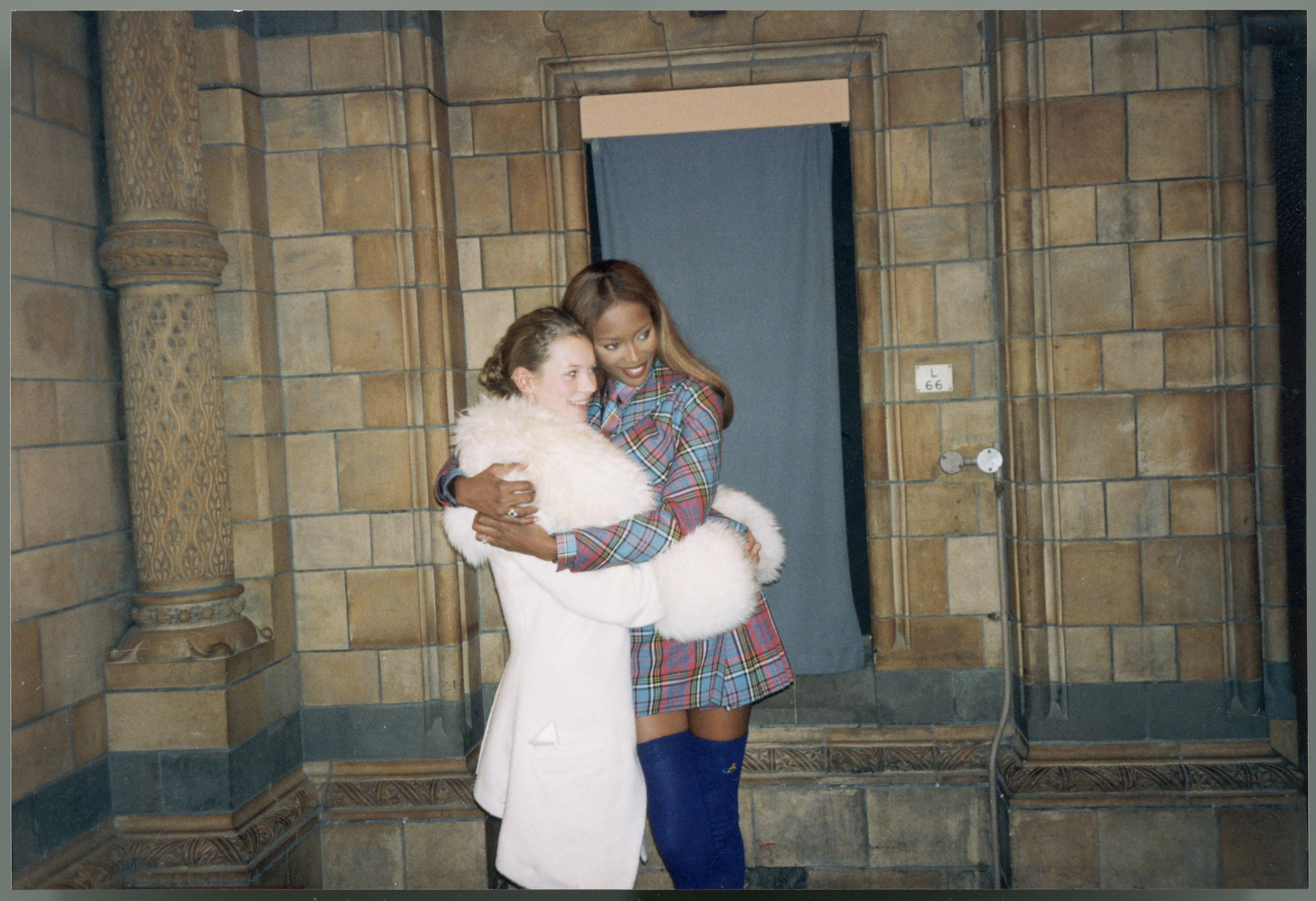
The 90s was a decade bursting at the seams with new creatives who radically expanded the language of artistic storytelling. Bold and gritty creative outputs spanning art, fashion, photography and music contribute to the fond nostalgia many feel for the period today, shown aptly by the celebratory exhibition, 'The 90s: Art and Fashion' currently at Tate Britain.
The fashion world started to look outward to more globalized approaches and made more explicit reference to other art forms; cinematic techniques were utilized to create high drama runways and designers turned to history, art and film for inspiration. Fashion collections became more intimate reflections of the designers' inner worlds, contributing to the frenzied and tenacious spirit of the decade.
Audacious Design
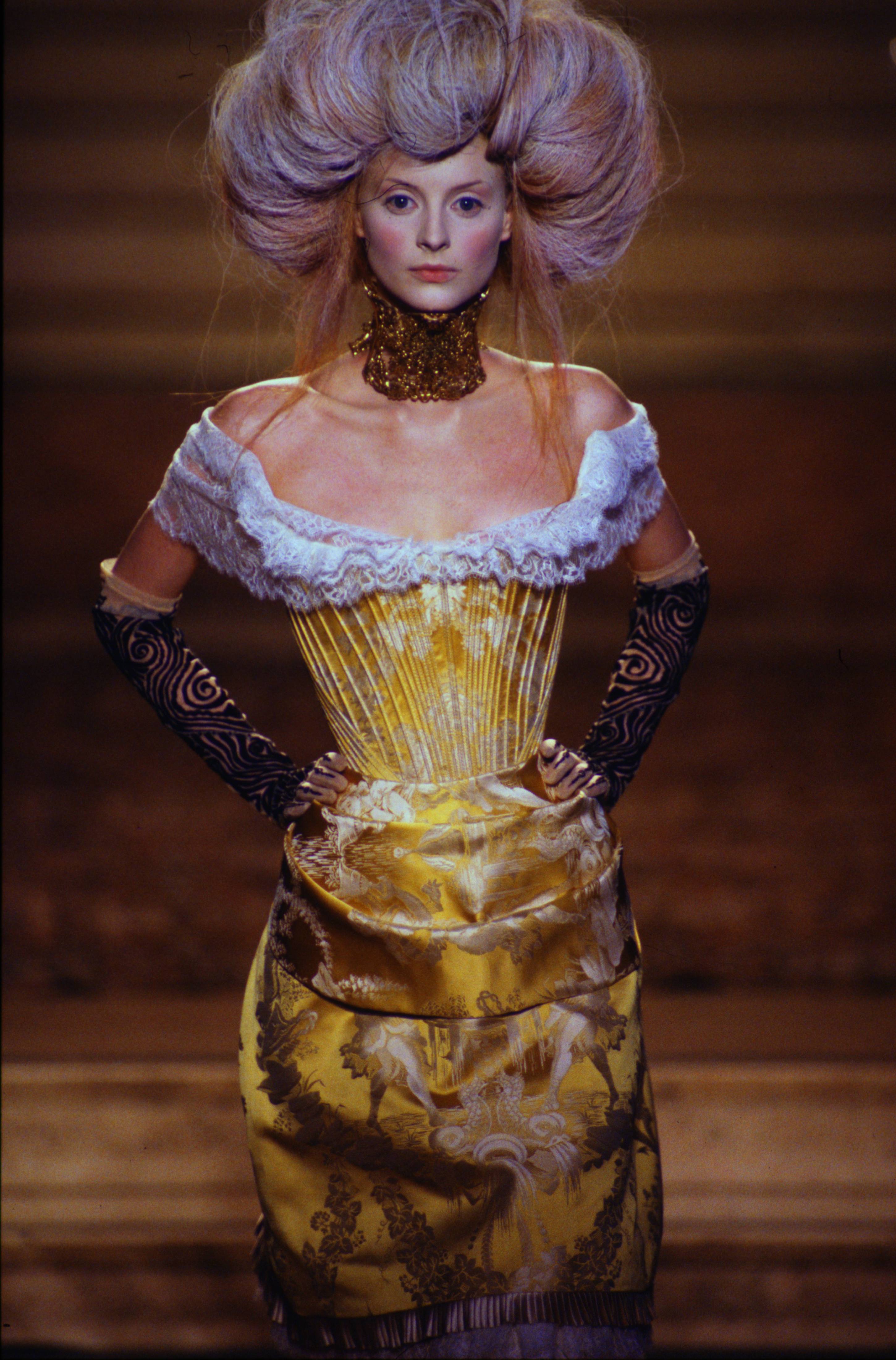
The 90s delivered a class of designers who unashamedly ripped up the runway rulebook. From the provoking remixing of history by Vivienne Westwood, John Galliano and Alexander McQueen, to the unapologetic hypersexualism of Tom Ford, and the sleek and thoughtful minimalism of Hussein Chalayan, there was a palpable sense that the decade was a chance to establish a new world order.
The period beamed a spotlight on British fashion talent in tandem with the Young British Art Movement and BritPop: Caroline Alexander explores this Cool Britannia surgency in detail examining how McQueen, Galliano and McCartney were able to "shake up the Paris Fashion Establishment" and capture the attention of a younger, more globalized audience.
Key runway shows from the decade can be viewed on Bloomsbury Fashion Video Archive, including Alexander McQueen's 'Spring/Summer 1999: No. 13’ show, which, in tandem with the September 1998 Dazed & Confused Issue ‘Fashion Able’, helped to put a spotlight on disability representation in fashion.
It was not just designers from Western regions who were making their mark. Read Daniel de las Heras' article on Yohji Yamamoto to learn how the designer helped fashion to "break away from unilateral power dynamics, where trends emanate solely from European fashion centres and disseminate globally'” by infusing historicism with his own unique avant-garde and androgenous design style.
The Birth of the Supermodel (...and the Internet)
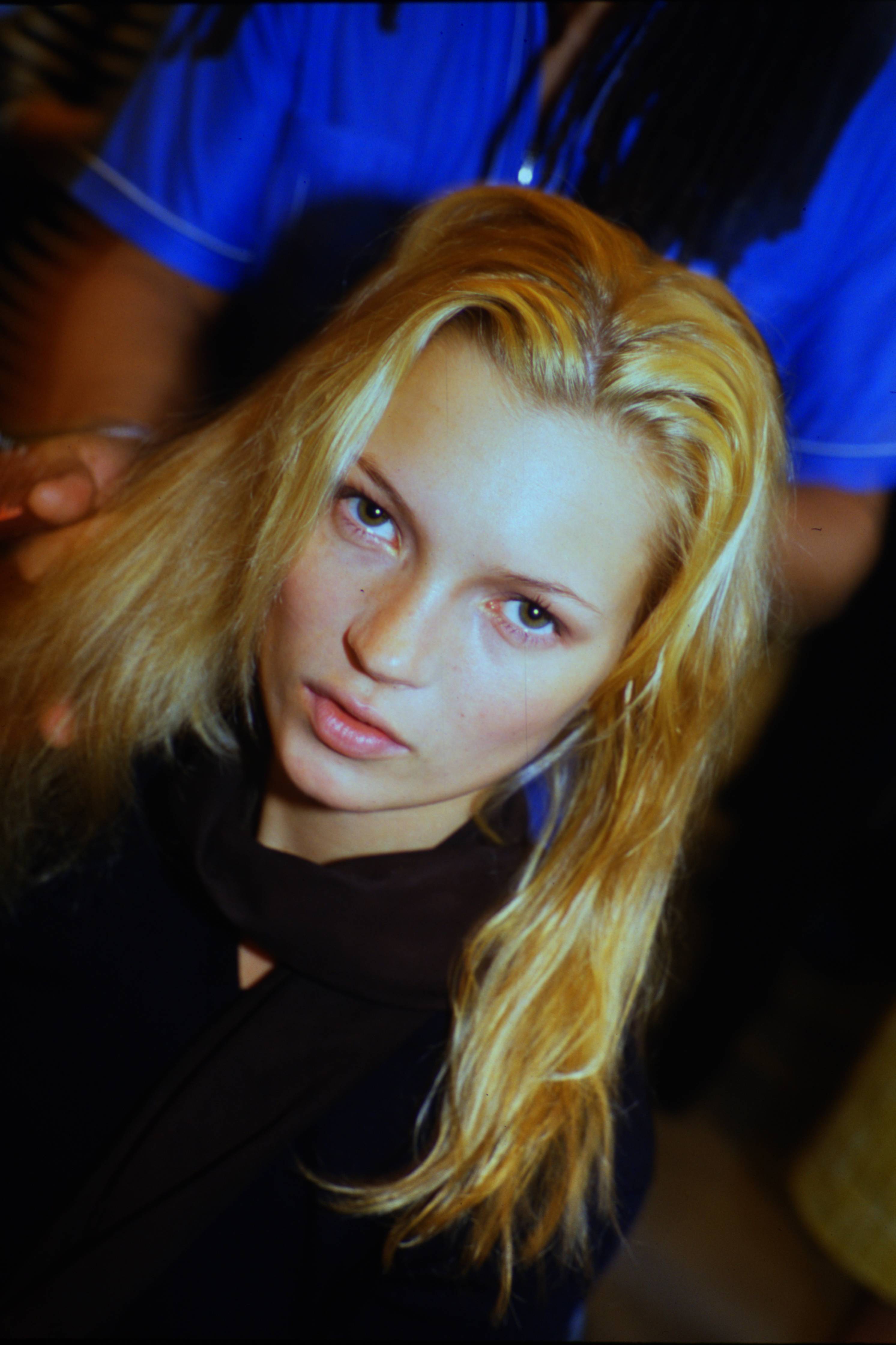
It was not only designers that felt turbocharged during the decade. Models began to carry the cultural status and influence of celebrities; in particular, the 'Big Six' comprising Linda Evangelista, Christy Turlington, Naomi Campbell, Cindy Crawford, Claudia Schiffer and Kate Moss. Bloomsbury Fashion Video Archive offers two exclusive compilation videos which provide clips of the Big Six both backstage and walking the runway: ‘Supermodels Compilation, Spring/Summer 1991’ and ‘Fashion Week Backstage Compilation, Spring/Summer 1992’.
Some of these models offered an alternative to the glamor of 80s modelling – photography of Kate Moss by Corrine Day and of Jamie King by Davide Sorrenti are examples of work which promoted an unpolished and waifish vision of womanhood. While some, as Karen de Perthuis notes, perceived such images as a welcome "break away from the sexist objectification found in male-dominated fashion photography of the 1980s", they helped birth the negatively connotated term 'heroin chic', which became and still is a touchpoint in debates regarding 'acceptable' and 'unacceptable' bodies in fashion. Richard Corson notes how this grunge and minimalist approach, made its way onto the runway through designers such as Calvin Klein and innovative makeup artists such as Dick Page.
Cool Britannia to Hip Hop: Fashion and Culture
As in any decade, fashion was in symbiotic dialogue with music, art and politics. However, as Phyllis G. Tortora and Sara B. Marcketti note, new technological developments such as computers and The Internet meant the 90s was a time of distinct fragmentation, a time where there were "innumerable ways to express personal identity."
Images of acid house and techno raves filled the pages of UK subculture bibles The Face and Dazed & Confused and influenced runway shows, such as Pam Hog's Spring, Summer 1991 show, which can be viewed exclusively on Bloomsbury Fashion Video Archive. The casual and anti-glamor style of the rising Britpop stars fed into a general 'anti-fashion' sentiment across the creative landscape.
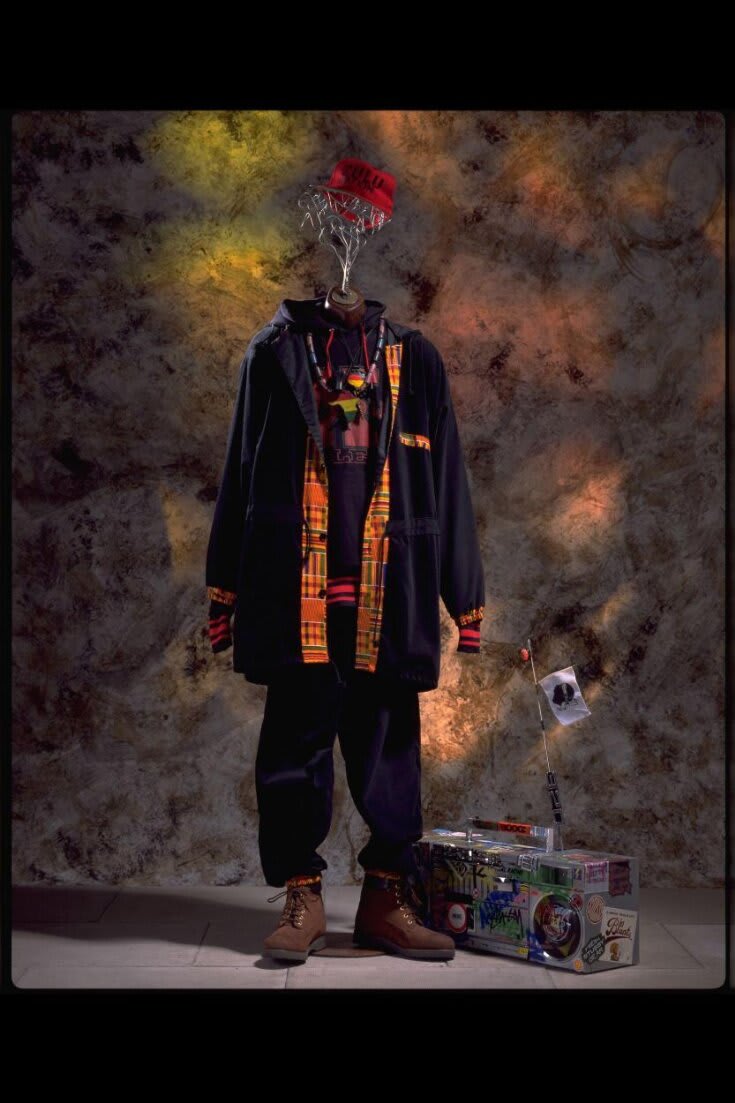
US hip-hop had a particular influence on fashion during the period; Rachel Lifter explores this with a detailed examination of June Ambrose and Misa Hylton – two stylists who shaped the look of New York-based hip-hop and R&B in the 1990s. Part of Berg Fashion Library, The Victoria and Albert Museum collection provides multiple images that display full outfits worn by different hip-hop sects within the UK and the US, such as this 'Afrocentric B-Boy' dress worn by Black British males in the 90s.
The 90s was a period where marginalized identities were simultaneously rejected and fetishized by mainstream society. Adam Geczy and Vicki Karaminas examine the proliferation of 'lesbian chic', citing Jenny Shimizu's feature as Calvin Kelin's model for CK1 scent as a sentient example of butch lesbian style being "incorporated into heteronormativity". The AIDS pandemic had a devastating impact on the fashion industry with top designers, as well as colleagues in supporting roles dying of the disease. Phyllis G. Tortora and Sara B. Marcketti acknowledge that this resulted in economic problems for the industry, with investors reluctant to provide backing for firms they saw as vulnerable to disruption from the loss of key personnel.
The 90s was a time of postmodern plurality and paradox, which led to endless creativity within and beyond the fashion sphere. As the exhibition at Tate Britain so aptly surmises: “By rethinking the past, art and fashion held up a mirror to a changing society on the threshold of a new millennium” (The 90s: Art and Fashion, 2026).
Find out about free trials and purchasing. Interested in hearing more from Bloomsbury Fashion Central? Sign up for our newsletter.
